Hvac Fan Repair in Provo, UT
HVAC fan repair services address issues related to the operation of the fans within heating, ventilation, and air conditioning systems. These services typically cover diagnosing and fixing problems such as noisy operation, failure to start, inconsistent airflow, or complete fan failure. Property owners may request this type of repair when experiencing uneven heating or cooling, increased energy bills, or unusual sounds coming from their HVAC units. Understanding the specific symptoms and the age of the system can help homeowners determine if fan repair is needed, ensuring that airflow and system efficiency are restored effectively.
Before requesting HVAC fan repair, property owners often want to know what the repair process involves and whether parts may need replacement. It’s also helpful to understand the potential causes of fan issues, such as worn bearings, faulty motors, or electrical problems. Clarifying these details can assist homeowners in making informed decisions about repairs and maintenance, ensuring their HVAC systems operate smoothly and reliably throughout the year.
Many property owners in Provo, UT look into HVAC Fan Repair for repairs, replacements, upgrades, and appearance-related improvements.
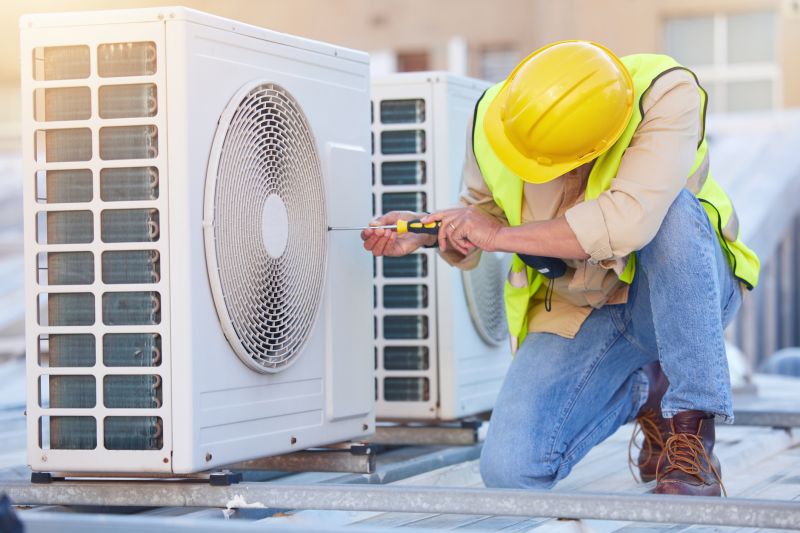
Fan Motor Repairs
Ensuring your hvac fan motor runs smoothly for consistent airflow.
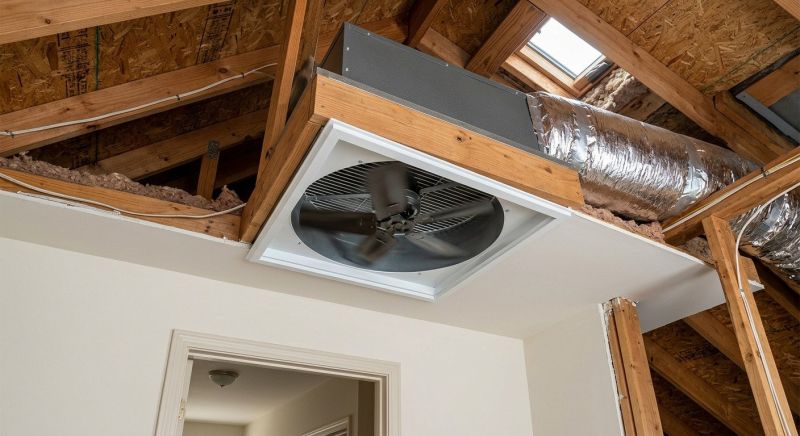
Blades And Belt Replacement
Replacing worn or damaged fan blades and belts to maintain system efficiency.
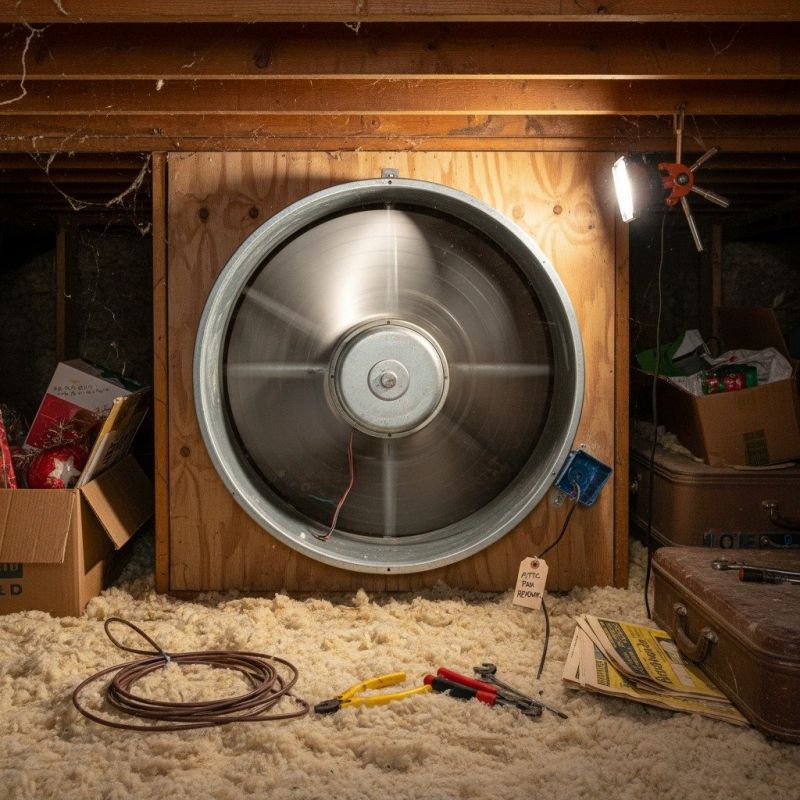
Troubleshooting Fan Issues
Diagnosing common problems like unusual noises or weak airflow in hvac fans.
Hvac Fan Repair in Provo, UT
HVAC fan repair services address issues related to the operation of the fans within heating, ventilation, and air conditioning systems. These services typically cover diagnosing and fixing problems such as noisy operation, failure to start, inconsistent airflow, or complete fan failure. Property owners may request this type of repair when experiencing uneven heating or cooling, increased energy bills, or unusual sounds coming from their HVAC units. Understanding the specific symptoms and the age of the system can help homeowners determine if fan repair is needed, ensuring that airflow and system efficiency are restored effectively.
Before requesting HVAC fan repair, property owners often want to know what the repair process involves and whether parts may need replacement. It’s also helpful to understand the potential causes of fan issues, such as worn bearings, faulty motors, or electrical problems. Clarifying these details can assist homeowners in making informed decisions about repairs and maintenance, ensuring their HVAC systems operate smoothly and reliably throughout the year.
Many property owners in Provo, UT look into HVAC Fan Repair for repairs, replacements, upgrades, and appearance-related improvements.
Common Hvac Fan Repair Jobs
HVAC Fan Repair - restoring proper airflow by fixing or replacing faulty fan motors.
Blower Fan Replacement - installing new blowers to improve system efficiency and airflow.
Fan Motor Troubleshooting - diagnosing issues causing fan failure or irregular operation.
Fan Belt Replacement - replacing worn or broken belts to ensure smooth fan movement.
Fan Noise Correction - reducing or eliminating unusual sounds from the fan assembly.
System Maintenance - performing inspections and tune-ups to prevent future fan problems.
Hvac Fan Repair Questions
What causes HVAC fan issues? Common causes include worn-out motor components, debris buildup, or electrical problems affecting the fan's operation.
How can I tell if my HVAC fan needs repair? Signs include unusual noises, inconsistent airflow, or the fan not running at all during heating or cooling cycles.
What types of fan repairs are typically needed? Repairs often involve motor replacement, fan blade cleaning or balancing, and fixing electrical connections.
Is regular maintenance important for HVAC fans? Yes, regular inspections and cleaning help prevent issues and ensure efficient fan performance throughout the year.
Request Hvac Fan Repair in Provo, UT
Use the quote form on this page to share the basics of your project and request more information for the type of work you need.